
company advantage
Rich experience
With more than 15 years of export experience, we enjoy a good reputation among many international importers and retailers around the world.
One-stop solution
With rich experience and one-to-one service,we can help you choose products and answer technical questions.
Competitive price
We have a professional purchasing team and costing team,trying to reduce costs and profits,and provide you with a good price.
Quality control
For each process,we have strict inspection standards,and we always insist that quality is life.
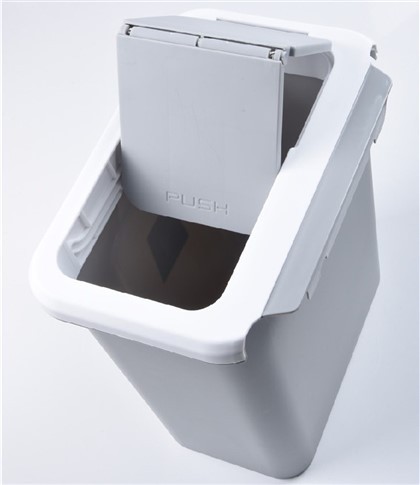
What is Waste Bins
A trash can, also known as a waste bin, dustbin or raki bucket, is a container used to hold garbage. Most trash cans are made of metal or plastic, and are put into garbage bags when used. When there is too much garbage, the bags can be tied up and thrown away. Most trash cans have lids to prevent the odor of garbage from spreading. Some trash cans can be opened with a foot pedal to avoid hand contamination. Most household trash cans are placed in the kitchen to store food waste. Some families will have one in each main room.
-

Wiremesh Dustbin
-Item Number: HO8020. -Material: Powder-coated steel iron mesh. -Size: 19*23*27cm. -Color: Silver or black. -Weight: 430g. -Packing: Each with a swing tag Add to Inquiry -
Smart Sensor Trash Can
-Item Number: HO8080. -Material: PP. -Size: +/- 20x20x30.5cm. -Weight: +/- 1.5kg. -Colour: White and black. -Retail Pack: Opp bag or box Add to Inquiry -
Fingerprint Proof Stainless Steel Rubbish Trash Can
-Item Number: HO8087. -Material: Plastic +stainless. -Size: +/-3L 5L 7L 12L 20L. -Weight: +/- Accordingly. -Colour: Silver. -Retail pack: Box packing or customized Add to Inquiry -
Stainless Steel Pedal Dust Bin
-Item number: HO8086. -Material: Plastic +stainless. -Size: +/-5L 22x19.2x33cm; 30L 34x32x60.8CM. -Weight: +/- Accordingly . -Colour: Sliver. -Retail pack: Box packing or customized Add to Inquiry -
Household Metal Dustbin
-Item number: HO8085. -Material: Plastic +stainless. -Size: +/-3L 5L 7L 12L 20L. -Weight: +/- Accordingly. -Colour: Silver. -Retail pack: Box packing or customized Add to Inquiry -
Trash Bin with Wooden Lid
-Item Number: HO8075. -Material: Plastic + wood. -Size: +/-32x16x23cm/25.5x16x23cm. -Weight: +/- 590G/550g. -Colour: White. -Retail pack: Opp bag or customized Add to Inquiry -
Kitchen Waste Bins
-Item number: HO8065. -Material: PP+TPR. -Size: +/-21*15*23.5 cm. -Weight: +/-324 g. -Colour: Gray and white. -Retail pack: OPP bag DUST BIN Add to Inquiry -
Small Trash Cans
-Item Number: HO8010. -Material: PP. -Size: 23.5(D) x 24CM (H) x15.4cm(d). -Weight: 175G(+/-5g). -Color: Can be customized. - Retail Pack: Can be customized Add to Inquiry -
Plastic Waste Bin
-Item number: HO8040. -Material: PP+TPR. -Size: +/-27*19*28 cm. -Weight: +/-530 g. -Colour: white. -Retail pack: OPP bag Add to Inquiry


Benefits of Waste Bins
Promoting Cleanliness
Waste bins help contain waste in a designated space, preventing littering and maintaining a clean environment.
Efficient Waste Sorting
By using separate waste bins for different types of waste, such as recycling and composting, you can easily sort materials and ensure proper disposal.
Reducing Odors and Pest Infestations
Waste bins with tight-fitting lids help contain odors and discourage pests from accessing the waste, thereby reducing the risk of infestations.
Enhancing Safety
Hazardous waste bins provide a secure way to handle potentially dangerous materials, minimizing the risk of accidents or exposure.
Supporting Sustainability
Waste bins promote responsible waste management practices, reducing the amount of waste sent to landfills and encouraging recycling and composting.
Application of Waste Bins

Community use
In recent years, urban environmental protection issues have become increasingly prominent, and the requirements for garbage classification have become higher and higher. Many communities have begun to use smart garbage disposal bins to facilitate owners to classify garbage according to garbage classification regulations, thereby achieving the purpose of reducing garbage pollution.

School use
As a place where a large number of people gather, schools generate a large amount of garbage every day, and there are many types of garbage. The traditional garbage bin disposal method is inefficient and difficult to meet the needs of the school. The smart garbage disposal box can identify the type of garbage and automatically classify it for processing, which greatly improves the efficiency of garbage disposal and makes a positive contribution to the school's environmental protection cause.

Enterprise use
Enterprises are an important economic pillar of the city and an important source of garbage generation. As environmental awareness gradually increases, enterprises have also begun to pay attention to the issue of garbage classification. Intelligent garbage disposal bins can be customized according to the actual situation of the enterprise, adapt to the enterprise's garbage classification and processing needs, improve work efficiency, and reduce cleanup costs.

Use in public places
Public places such as shopping malls, stations, airports, hotels, etc. have a large flow of people and generate a large amount of garbage. Waste classification and disposal have become an important task. Smart garbage disposal bins can conveniently and quickly provide garbage classification and disposal services to the public in these places, solving garbage disposal problems and protecting the environment.
Types of Waste Bins
Single Waste Bins
Single waste bins are the most common type of waste bin. They are typically made of plastic or metal and come in various sizes. Single waste bins are designed to hold general waste, such as food scraps, paper, and plastic. They are easy to use and can be emptied quickly.
Swing Lid Bins
Swing lid bins are similar to single waste bins, but they have a lid that swings open when you press a pedal. This feature makes them a great option for hands-free waste disposal. Swing lid bins are also available in different sizes and shapes, making them ideal for various spaces.
Medical and Nappy Bins
Medical and nappy bins are designed to hold medical waste and used nappies. They are typically made of durable plastic and have a lid that can be locked to prevent the spread of germs and odors. Medical and nappy bins are often used in #hospitals, #nurseries, and other #healthcare facilities.
Recycling Bins
Recycling bins are designed to hold recyclable materials, such as paper, plastic, and glass. They are typically colour-coded to make it easy to sort different types of recyclables. Recycling bins come in various sizes and shapes and can be used both indoors and outdoors.
How to Choose Waste Bins
Location
The first step to choosing the right garbage can for your space is determining where your office needs garbage and recycling access the most. Often, high-traffic areas like the kitchen, break rooms, and entryways are hot spots for littering due to a lack of waste receptacles. Consider which areas of your building have some of the highest employee foot traffic and equip these areas with sufficient trash and recycling options.You might also want to consider outdoor waste collection options if your business features an outdoor space for breaks, lunch, meetings, etc.
Application
Once you know the location and placement of your garbage can, understanding its application and usage goes hand and hand. Will your garbage or recycling bin go in the kitchen for food scraps and waste? Will it sit beside your desk and collect paper and other office supplies? Some waste receptacles are better suited for certain applications than others. How you intend to use your garbage bin will affect other factors you should consider, such as its material, shape, size, and even something as simple as the bin's color.
Material
You'll find garbage cans and recycling bins in a variety of material options. However, there are three main construction materials for these waste containers: plastic, metals, and stone. Each material will lend itself best to different conditions, locations, and more. For example, stone garbage cans are incredibly sturdy and durable, so most workplaces situate them for outdoor use in high-traffic areas. Metal garbage cans are also durable and resistant to wear and tear, like stains and scratches. Metal cans are often the best choice for use in office kitchens and break rooms where food is present due to their ease of cleaning.
Shape
Your personal style will come into play while selecting the shape of your chosen bin. The shape of a trash can or recycling bin can be just as much of a functional choice as it is an aesthetic one.The shape that you choose can also impact how employees and guests interact with it. The size and shape of the openings for waste disposal can make a substantial difference in the effectiveness of your waste container. For example, when employees pass by in a hurry, they don't want to spend precious moments trying to feed their trash into a small opening. When choosing a garbage can or recycling bin, especially for high-traffic areas, consider its ease of use as well.
Size
The size of your garbage cans and recycling bins is one of the most crucial factors to consider when making your choice. Like the shape, the bin's size will impact the ease of use for both you and your employees.If you choose a waste receptacle that is too small, you'll find that the bin collects garbage or recycling too quickly and starts to overflow often. This issue means you'll need to collect the trash and replace the bag more frequently, which can be inconvenient for your team. On the other hand, choosing a receptacle that is too big for your office can be an eyesore and take up unnecessary space. Consider how much use your garbage can or recycling bin might endure and choose a size from there.
Colors
You might not expect it, but color has a surprising influence on our waste disposal habits. We often associate certain colors with specific methods of waste disposal. For example, many recycling receptacles are blue in offices, communities, and at home. We associate colors like blue and green with recycling and eco-friendly practices, so choose these colors for your recycling receptacles to subconsciously encourage recycling efforts. Colors also play into the aesthetic values of your office—try matching your garbage can colors to your company's branding to brighten up your workplace.
Process Of Waste Bins
01/
Choose plastic raw materials
Polyethylene, polyvinyl chloride and other polymer materials are mainly used in the production of plastic trash cans. They have the characteristics of low degradation performance, good wear resistance and aging resistance.
02/
Raw material handling
In order to meet certain molding requirements, the selected plastic raw materials are mixed and processed.
03/
Injection molding
Through injection, pressure and other measures, the processed plastic raw materials are shaped into the required shape and molded through an injection molding machine. This is the core link in the production of plastic trash cans and a complicated step.
04/
Outdoor sorting bucket
After injection molding, in order to ensure a beautiful appearance and comfortable texture, the outer shell of the plastic trash can needs to be trimmed.
05/
Spray
After correction, in order to achieve the purpose of aesthetics, waterproofing and anti-corrosion, the trash can needs to be sprayed.
06/
Assembly
After spraying, in order to achieve actual use, the trash can bag, top cover, pull rod and other components need to be assembled in the plastic trash can.
Effective Methods for Disinfecting and Sanitizing Your Waste Bins


Empty and Rinse Regularly
The first step in maintaining clean waste bins is to empty them regularly. Dispose of the waste in appropriate garbage bags and tie them securely to prevent any leakage. After emptying, rinse the bins with water to remove any remaining residue or debris. This initial cleaning will make subsequent disinfection more effective.
Use a Disinfectant Solution
Disinfectant solutions are highly effective in killing bacteria and viruses. You can prepare a simple yet potent solution by mixing bleach with water. Add one tablespoon of bleach to a gallon of water and mix it well. Wear gloves and use a sponge or cloth soaked in the solution to wipe the interior and exterior surfaces of the waste bin thoroughly. Pay extra attention to the lid and handles as they come in direct contact with your hands.
Vinegar and Baking Soda
Vinegar and baking soda are natural cleaning agents known for their disinfecting properties. Create a solution by mixing equal parts of water and white vinegar. Spray this solution on the waste bin surfaces and let it sit for a few minutes. Afterward, sprinkle baking soda inside the bin and scrub the surfaces using a brush or sponge. Rinse the bin with water and allow it to dry completely. This method not only disinfects but also helps eliminate unpleasant odors.
Steam Cleaning
Steam cleaning is an effective method to sanitize waste bins without the need for chemicals. Steam at high temperatures can kill a wide range of bacteria, viruses, and germs. If you have a steam cleaner at home, use it to direct steam into the large plastic waste bin, targeting all areas including the corners and crevices. Steam cleaning not only disinfects but also helps remove stubborn stains and grime.
Deodorizing Agents
Unpleasant odors from waste bins can be a common problem. To combat this issue, consider using deodorizing agents. Baking soda is a natural deodorizer that can be sprinkled at the bottom of the bin or placed in a small bowl inside the bin to absorb odors. Alternatively, you can use commercial deodorizing sprays or odor-neutralizing pellets designed specifically for waste bins.
UV-C Light Sanitization
UV-C light is a powerful germicidal method used in various industries for disinfection. You can use a handheld UV-C light wand or a specialized UV-C sanitizing device to sanitize medical waste bins. Simply pass the UV-C light over all surfaces of the bin for the recommended duration, as specified by the manufacturer. UV-C light can effectively kill bacteria, viruses, and mold, providing an additional layer of protection.
Regular Maintenance
It's crucial to create a schedule for routine maintenance if you want to guarantee the long-term cleanliness of your trash cans. This entails routinely emptying and rinsing the dumpsters, cleaning them with disinfectant at least once per week, and applying deodorizers as required. To ensure personal hygiene, always remember to wear gloves and wash your hands thoroughly after touching trash cans or cleaning agents.
Do's and Don'ts of Cleaning Your Waste Bins
Clean your trash bin can once a month
Wondering how often should you clean your trash can? The answer is to clean out your bin and disinfect it at least once a month or when there's a leak or foul odor.It is a good idea to do a mini cleaning every time you take out the trash. Spray disinfectant into your trash cart and wipe it out before replacing your trash bag. With that, you'll be able to remove odor, germs, insects, and rodents.Nice and clean looking bins give your house and property a sense of curb appeal. And, you won't have to curb your nose every time while disposing of waste.
Recycle
Many of us are guilty of not recycling as much as we should. Still, it forms a significant part of conscious waste disposal.It's easy to recycle if your home or office has a recycling bin. If you don't have a recycling bin, have a dedicated spot for recyclable items. You can even start a backyard compost pile or bin for paper, cardboard, and kitchen scraps. Not only will your garden gain from this, but you'll also keep rotten food out of your living space.Recycling bins generally only accommodate recyclables. So, they usually do not get dirty and stinky as trash cans. But, you'll still have to clean, deodorize, and disinfect them from time to time.
Wear gloves and a nose mask while cleaning
Whether your trash smells or not, there is a possibility that germs are there. As such, you may come in contact with bacteria when you take out the waste or clean the trash cart. Therefore, you should put on rubber gloves and a face mask before proceeding.Research has shown that inhaling the rotting smell in your trash is not healthy. It may result in mild discomfort. Plus, it can cause more severe symptoms or trigger allergic reactions, such as asthma.
Bag your trash
Bag your trash before placing it in your trash receptacle. This reduces the amount of dirt and gunk you would have to scrub off from the waste bin on cleaning day.Moreover, nobody wants the aroma of stinky trash to fill their home or workspace. Tying your dirt in a trash bag prevents the odor from spreading until disposal. Besides, bagging helps keep you and others safe from germs.Bagged trash is much cleaner and easier to handle. For instance, loose garbage cans expose waste collectors, who come to pick your trash, to germs. You will also make their operation slow, as someone has to get out of the truck and pick up the waste lying around. Additionally, loose garbage can attract wild animals, stray dogs, and rodents.
Our Factory
In early 2003, Joyplus was just a home product department of "ZJOF", which is the largest national foreign trade enterprise in Zhejiang Province. As the business expand rapidly and the national company reformation, we have been officially promoted to an independent company - "Hangzhou Joyplus Co., Ltd" from 2007, with major business: Cleaning & Care products for home and car use. With over 15 years of export experience, we have enjoyed a very good reputation among lots of international importers & retailers all over the world. In order to make our products more competitive, We have invested 3 factories near Shanghai and Ningbo to produce our major products like Microfiber cloth, Mops, and disposable gloves. Taking advantage of the above superiority and our long stable quality supply chain, We believe we can supply many cost-effective home products to our customers, and we hope and welcome more customers globally to establish long-term business relationships with us. You are warmly welcome to visit our showroom in Hangzhou City and our factory at your convenient time.


FAQ
As one of the most professional waste bins manufacturers and suppliers in China, we're featured by cheap products and good service. Please rest assured to wholesale high quality waste bins at competitive price from our factory.
bedroom bin with lid, Stainless Steel Pedal Dust Bin, office trash cans