
company advantage
Rich experience
With more than 15 years of export experience, we enjoy a good reputation among many international importers and retailers around the world.
One-stop solution
With rich experience and one-to-one service,we can help you choose products and answer technical questions.
Competitive price
We have a professional purchasing team and costing team,trying to reduce costs and profits,and provide you with a good price.
Quality control
For each process,we have strict inspection standards,and we always insist that quality is life.
What is Disposable Gloves
Disposable gloves are gloves that you use one time and then throw away. They can protect your health and the health of the person you're caring for. They help keep germs and infection from spreading to you and to the other person.Use gloves whenever you might touch body fluids, such as saliva, blood, urine, or stool. Use a new pair of gloves when you touch areas near a cut (incision) made by a doctor. And some people use gloves when bathing someone. Gloves can also be used when you put medicines on the skin and when you give shots.Gloves do not protect you from poking your skin with sharp objects. So if you are handling sharp objects, such as needles, be sure that the object doesn't poke a hole in the glove. Handle these types of objects carefully.
-

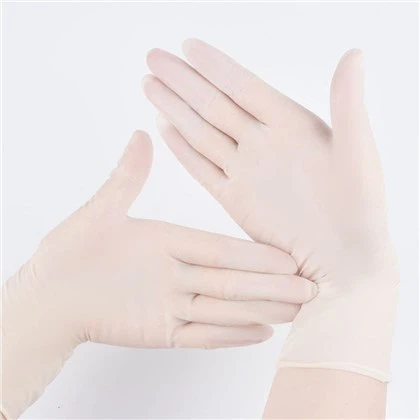
Large Latex Gloves
Disposable Latex Gloves. About the product. emulsion. Imported. Food service safety: Comply with food service standards 21 CFR 177. Durable: durable, highly elastic and puncture resistant. Sterile: Add to Inquiry -
Small Latex Gloves
Disposable Latex Gloves. About the product. emulsion. Imported. Food service safety: Comply with food service standards 21 CFR 177. Durable: durable, highly elastic and puncture resistant. Sterile: Add to Inquiry -
Latex Disposable Gloves
Disposable Latex Gloves. About the product. emulsion. Imported. Food service safety: Comply with food service standards 21 CFR 177. Durable: durable, highly elastic and puncture resistant. Sterile: Add to Inquiry -
Latex Gloves Power Free
Disposable Latex Gloves. About the product. emulsion. Imported. Food service safety: Comply with food service standards 21 CFR 177. Durable: durable, highly elastic and puncture resistant. Sterile: Add to Inquiry -
Latex Examination Gloves
Disposable Latex Gloves. About the product. emulsion. Imported. Food service safety: Comply with food service standards 21 CFR 177. Durable: durable, highly elastic and puncture resistant. Sterile: Add to Inquiry -
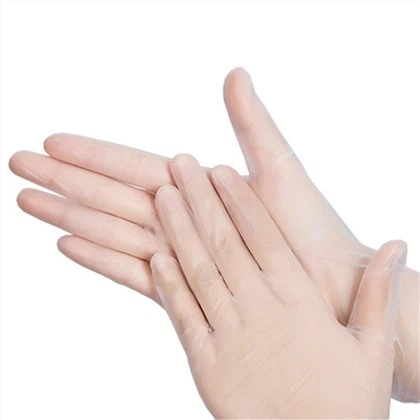
PVC Household Cleaning Gloves
Material Vinyl. Reusability Disposable. Size X-Large(Pack of 100). Material Type Free. Powder Free, Latex Free. Add to Inquiry -
PVC Work Gloves
Material Vinyl. Reusability Disposable. Size X-Large(Pack of 100). Material Type Free. Powder Free, Latex Free. Add to Inquiry -
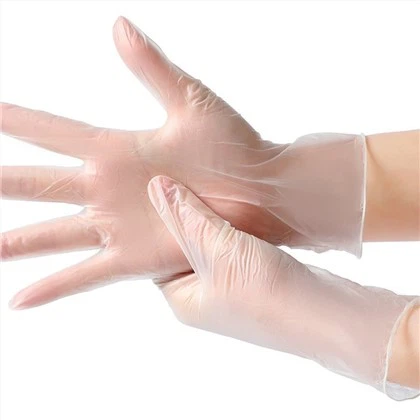
Disposable PVC Gloves
Material Vinyl. Reusability Disposable. Size X-Large(Pack of 100). Material Type Free. Powder Free, Latex Free. Add to Inquiry -
Vinyl and Latex Gloves
Material Vinyl. Reusability Disposable. Size X-Large(Pack of 100). Material Type Free. Powder Free, Latex Free. Add to Inquiry -
Vinyl Gloves
Material Vinyl. Reusability Disposable. Size X-Large(Pack of 100). Material Type Free. Powder Free, Latex Free. Add to Inquiry -
Vinyl Examination Gloves
Material Vinyl. Reusability Disposable. Size X-Large(Pack of 100). Material Type Free. Powder Free, Latex Free. Add to Inquiry -
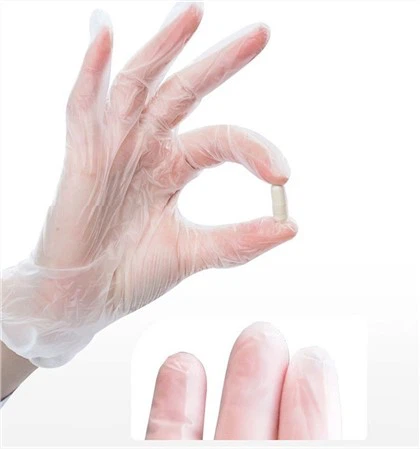
Clear Vinyl Gloves
Material Vinyl. Reusability Disposable. Size X-Large(Pack of 100). Material Type Free. Powder Free, Latex Free. Add to Inquiry




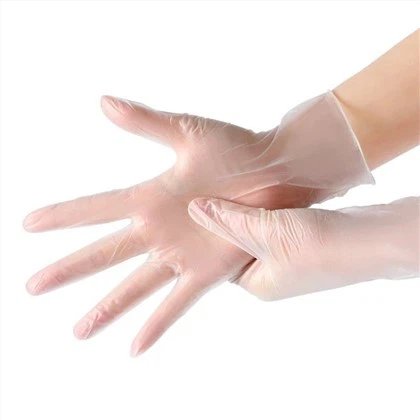


Benefits of Disposable Gloves
Single-use gloves prevent cross-contamination or touch contamination
Cross-contamination is a daily risk for a number of workers. In the food processing and preparation industries especially, cross-contamination can spread bacteria such E.coli or Salmonella throughout very quickly. In a lab, it can destroy research and make specimen samples unusable. In the dental exam room, it prevents the spread of blood borne pathogens such as MRSA, HIV or Hepatitis C. Disposable gloves reduce contamination from occurring in both an inexpensive, effective manner and keep environments clean which ultimately elevates compliance.
They prevent pathogens from spreading
Hospital, medical, dental, tattoo and veterinary office workers come into contact with bodily fluids such as blood, urine, salvia on a regular basis. Because of this, bacteria and viruses can spread fast-both among staff and the people and pets under the facilities' care. However, wearing and properly changing disposable gloves is an effective solution for keeping pathogens from transferring from one patient to another.Properly removing disposable gloves adds another layer to their protection. Instead of just pulling them off and tossing them into the trash, leaving pathogens on the outside of gloves exposed, make sure you fold your gloves over onto themselves. By folding the dirty surfaces over, all of the harmful substances will stay contained within them and a clean surface is available when disposing.
They protect you from unknown hazards
Some workers have no idea what they might encounter from one day to the next. Such is the case with plant and wildlife professionals, forensics, labs, EMT's, mechanics and doctor's. In the field, a worker might make contact with fluids or substances such as fentanyl that are toxic or can cause a severe allergic reaction.For this reason, disposable industrial and medical exam gloves provide professionals with a reliable layer of protection against the biohazards, molds, toxins, poisons and other dangerous substances that they might encounter. Because they're lightweight and comfortable, these types of gloves stand a better chance of being worn-allowing for a high level of P.P.E. compliance.
They won't wear out
Their name says it all. Disposable gloves get tossed after one use -whether it's after a full shift or after coming into contact with one patient or specimen. Because they're not designed for wearing again and again, they don't have a chance to wear out under normal circumstances. Do your research before use. Harsh chemicals, animal fats and abrasive or sharp surfaces will degrade gloves fast. If you work is an industry where gloves get a workout, thicker materials or proper materials help them hold up through the shift or job application.
Application of Disposable Gloves
Machinery and automotive industry
Those working around vehicles are likely to encounter harsh chemicals, oil and grease, heat and sharp or rough metal components. Due to recent advances in their manufacture, disposable gloves can help protect against these hazards while also offering the dexterity and tactile sensation needed to perform delicate operations.Thicker nitrile gloves offer a good level of protection for daily tasks in the service bay, and they're by far the most durable of the disposable gloves used by mechanics. They stand up well to high temperatures without melting or cracking, and they can withstand gasoline, oil and many other chemicals. A snug fit keeps them in place and avoids accidental chemical contact with the skin.
Dentistry
Gloves are necessary for dentists and dental hygienists, who regularly contact saliva, blood and other bodily fluids. Plus, they need to protect their patients from any germs or contaminants on their own hands. Dental gloves fall under the authority of the FDA, meaning they require a 510K premarket certificate. This certificate shows the gloves have been reviewed for biocompatibility, leak resistance, tear-resistance and other criteria. Gloves for dentists should also offer the dexterity needed to perform precision work.
Beauty Industry
Because of potential contact with contaminants, chemicals and dyes, many in the beauty industry choose to wear gloves for their own hygiene and safety and that of their customers. For stylists, barbers, makeup artists, nail technicians and those in similar positions, disposable industrial gloves provide protection in a non-medical capacity. Beauty professionals have a wide range of choices of color, size, material and price. The industry frequently uses nitrile gloves to avoid the risk of allergic reactions in clients.
Chemical Manufacturing
ManufacturingGloves are extremely important when workers can be exposed to potentially caustic substances in jobs like manufacturing and petrochemical or oil refining. Some glove materials are resistant to certain chemicals but weak to others.
Types of Disposable Gloves

Nitrile
Nitrile is a synthetic, processed form of natural rubber. After it goes through a rigorous process, the rubber proteins are transformed, making nitrile safe for those with latex allergies. Uses of nitrile gloves are virtually endless because they are waterproof and resistant to punctures while providing other benefits. They also protect against contaminants including fungus, pesticides, commercial cleaning products and biologicals. Additionally, they provide a barrier for employees handling fragile items like electronics, glass, paper and other objects that could break and cause injury.

Vinyl
Vinyl is a synthetic, protein-free, non-biodegradable material made from polyvinyl chloride (PVC) and plasticizers. By incorporating the plasticizer with the PVC, vinyl gloves become thin, flexible, comfortable and soft to the touch. Another advantage of vinyl gloves is their affordability, making them a popular choice in fields with high glove turnover. Vinyl gloves are also often loose-fitting and easy to change.

TPE
TPE stands for thermoplastic elastomer, a product from a group of rubber-like materials that combine the best qualities of rubber and plastic. TPE gloves are a more sustainable option since they can be recycled. TPE gloves are also waterproof, nontoxic, lightweight, strong and comfortable. They're an excellent choice for eco-conscious food service workers, those in the beauty industry, childcare workers and single-use medical examinations.

Latex
Latex gloves were once the gold standard in disposable gloves for many industries. Latex, made from natural rubber, possesses many qualities that explain this preference. Some users swear by its tactile sensation, flexibility and dexterity. One limitation of latex is that many people experience allergic reactions to it or develop reactions over time. Latex gloves have been banned in some states because of these allergic reactions.
How To Choose Disposable Gloves
Material
Disposable Glove MaterialsThe number one factor to consider when you're figuring out how to choose disposable gloves is the material, which will determine their feel and function. The three most common materials are latex, nitrile, and vinyl.
Color
Mechanics Disposable GlovesConsider how much you want your gloves to visually contrast with external materials. Do you want to increase or decrease their visibility? For example, mechanics often prefer black disposable gloves to lower the visibility of grease. Conversely, cleanroom workers prefer white disposable gloves to make contamination more visible on the glove. Some workers, like those in food service, prefer the gloves themselves to be brightly colored and highly visible.You may also want to color code your disposable gloves to avoid any cross-contamination from different areas of a lab or simply to improve organization.
Size
Disposable Gloves SizingThe last factor to determine how to choose disposable gloves is size. Picking the right size is essential for any PPE, but perhaps none more so than disposable gloves. Too small, and not only will they cause discomfort, but they also run the risk of tearing. Too big, and they not only decrease performance, but they also run the risk of increasing exposure to contaminants.The right disposable gloves should feel snug yet comfortable and dexterous. Sizes range from Extra Small up to XXL, so we recommend visiting our glove sizing page to help you find the size that's right for you.
Disposable Glove Thickness
The next factor to consider when determining how to choose disposable gloves is their mil thickness. This can range from 4 Mil (a.k.a. 4 millimeters thick) all the way up to 15 Mil. The higher the mil, the thicker the gloves, and the more wear and tear they will be able to sustain.Depending how demanding your application is, and how durable and long-lasting you want your gloves to be, will guide the disposable glove thickness you should select.
Industrial Vs. Medical Grade Gloves
Medical Disposable GlovesMedical gloves, also known as exam gloves, are designed with utmost security in mind to protect medical professionals from hazardous microorganisms. In order to qualify for medical grade, the gloves must meet the inspection standards of the FDA and ASTM. If you're a medical professional, look for “exam” in the product title to ensure your gloves meet the task at hand.Workers outside the medical field should look at industrial grade gloves. If the glove does not say “exam”, it is safe to assume that they are industrial grade.
Powdered Vs. Powder Free Gloves
Powder Free Disposable GlovesPowdered gloves are designed with a lightly powdered, non-irritating corn starch that makes gloves easier to don. If your job requires gloves that you can quickly slide on or off, you may want to opt for powdered gloves.Powder free gloves are generally more popular for jobs where this isn't a high priority, because the gloves don't leave any residue on hands or clothes. Powder free is mess free!
How To Put On Disposable Gloves
Check The Glove Size
It's so important that the gloves you are about to put on are the right size. The correct size means they won't be too tight that they rip or too loose that they fall off or reduce dexterity. Glove sizes vary per manufacturer but we have a great guide to determine which one you will likely require.
Remove All Jewellery
Rings with large stones and bracelets with catches can snag disposable gloves, causing them to tear and break. Remove these before pulling the gloves on.
Ensure Hands Are Clean
You may think the gloves serve as the main protection but it's important your hands are also clean to ensure that should a tear or rip occur, the skin underneath is still clean to minimise spreading infections. We have an in-depth guide on how to wash hands correctly here on the site. If you don't have access to soap and water an antibacterial hand gel will do.Ensure hands are thoroughly dry before putting on disposable gloves.
Remove Gloves From Their Packaging
Check them carefully for signs of tears or rips to ensure they are in good order before putting them on.
Start With Your Dominant Hand
It's a good idea to cover your dominant hand first and you do this by using your non-dominant hand to pick up the glove by the inside of the cuff. Then simply slide your dominant hand into this. Remember, it's important you only touch the inside of the glove to reduce the chances of contamination and only adjust this glove once the other one is on.
Put On The Other Glove
Again, holding the glove by the cuff, push your non-dominant hand into the opening and gently move it inside. Ensure you do not flex your fingers too much until they are in their designated holes.
How to Maintain Disposable Gloves
Ideal Storage Conditions
To maintain the integrity of Disposable Gloves, storing them in cool, dry places away from direct sunlight and extreme temperatures is imperative. This prevents degradation and ensures the Disposable Gloves retain their physical properties and function as intended.
Tips for Organizing Glove Inventories
Organizing your glove inventories systematically can aid in easy access and prevent the usage of expired products. Consider implementing a rotation system where older stock is used first, and always check the expiry date before usage to ensure efficacy and safety. Color coding Disposable Gloves for particular uses and hazards may be beneficial.
Best Practices for Glove Usage
Gloves should be donned and doffed correctly to prevent contamination and prolong their life span. It's recommended to wash hands before and after using Disposable Gloves to maintain hygiene. Additionally, avoid using oil-based hand creams or lotions, which can deteriorate the quality of the Disposable Gloves.
How to Prolong Glove Lifespan
Understanding the specific instructions for the type of Disposable Gloves in use is essential. While some Disposable Gloves are disposable, others can be cleaned and reused, following manufacturer guidelines. Ensuring proper usage can significantly prolong the lifespan of your Disposable Gloves, providing safety and reducing costs.
Our Factory
In early 2003, Joyplus was just a home product department of "ZJOF", which is the largest national foreign trade enterprise in Zhejiang Province. As the business expand rapidly and the national company reformation, we have been officially promoted to an independent company - "Hangzhou Joyplus Co., Ltd" from 2007, with major business: Cleaning & Care products for home and car use. With over 15 years of export experience, we have enjoyed a very good reputation among lots of international importers & retailers all over the world. In order to make our products more competitive, We have invested 3 factories near Shanghai and Ningbo to produce our major products like Microfiber cloth, Mops, and disposable gloves. Taking advantage of the above superiority and our long stable quality supply chain, We believe we can supply many cost-effective home products to our customers, and we hope and welcome more customers globally to establish long-term business relationships with us. You are warmly welcome to visit our showroom in Hangzhou City and our factory at your convenient time.


FAQ
As one of the most professional disposable gloves manufacturers and suppliers in China, we're featured by cheap products and good service. Please rest assured to wholesale high quality disposable gloves at competitive price from our factory.
